

Public sector buying teams are large, with varying levels of participation in the process. + Government C-level executives are less involved (41%) than private sector counterparts (55%). + 68% attribute delays to lack of specific information from the technology provider.
At 22 months, the public sector has the longest average buying cycle for technology purchases compared to other industries, according to a survey from Gartner, Inc.
In November and December 2021, Gartner surveyed 1,120 executives involved in technology evaluation or selection, including 79 from the public sector, to understand how organisations approach large-scale buying efforts for enterprise technology.
Nearly half (48%) of respondents reported six or more moderate or significant delays in the buying process. The cumulative impact of delaying factors such as changes in scope added seven months, on average, to the government technology buying cycle.
“Technology acquisition brings challenges to the public sector that do not commonly exist in other industries,” said Dean Lacheca, VP Analyst at Gartner. “Each jurisdiction has its own procurement laws and policies, and within that, each agency or department can have its own interpretation of them. A failure to conform to the rules can have serious consequences, from unwanted publicity to personal risk of prosecution.”
Public Sector Buying Teams Are Large and Complex
A typical public sector buying team has 12 participants, with varying levels of participation in the process.
Government C-level executives tend to be less involved (41%) than private sector counterparts (55%) in technology purchases to avoid association with the process and creating the perception of political influence in the outcome. This also makes government C-level executives less willing to defend the process if challenged by unsuccessful vendors or the media.
Public sector buying teams are significantly more likely than other industries to be composed of lower-level operational staff (46%) impacted by the buying process, taking on the role of business subject matter expert. While the government equivalents of a C-level executive or executive governance body may have the authority to make the decision, they are heavily guided by the evaluation results and recommendations made by the subject matter experts.
Multiple Factors Contribute to Buying-Cycle Delays
The factors most reported as resulting in significant delays often occur before what would be considered the official procurement process begins. Some of these factors include developing the business case (74%), scope changes requiring additional research and evaluation (76%) and reaching agreement around budgeting (75%).
“While government buying cycles can be long, it is important to note that these time frames are not set,” said Lacheca. “Initial planned timelines can be delayed as a result of a combination of both controllable and uncontrollable factors, especially when no external deadlines exist.”
Better Information from Technology Providers Can Help
Sixty-eight per cent of public sector respondents indicate a moderate to significant delay because of their inability to obtain specific product or implementation requirements details from the provider.
Public sector organisations are significantly more likely to value references from existing clients than non-public sector buyers are, partly because public sector organisations are rarely in direct competition and often share common challenges.
Chosen providers are much more likely to provide fact-based, actionable content to the buying team. Gartner recommends technology providers maintain an easily accessible list of public sector reference clients and build a diverse library of product collateral with a strong focus on value assessment, which can be leveraged across all stages of the buying cycle.
Gartner clients can read more in “Insights Into the Nature and Behavior of Public-Sector Buyer Teams.”
Learn about the top government technology trends in the complimentary Gartner ebook Top Technology Trends in Government for 2022.
Fachartikel


Studien

Drei Viertel aller DACH-Unternehmen haben jetzt CISOs – nur wird diese Rolle oft noch missverstanden

AI-Security-Report 2024 verdeutlicht: Deutsche Unternehmen sind mit Cybersecurity-Markt überfordert

Cloud-Transformation & GRC: Die Wolkendecke wird zur Superzelle

Threat Report: Anstieg der Ransomware-Vorfälle durch ERP-Kompromittierung um 400 %

Studie zu PKI und Post-Quanten-Kryptographie verdeutlicht wachsenden Bedarf an digitalem Vertrauen bei DACH-Organisationen
Whitepaper



Unter4Ohren

Datenklassifizierung: Sicherheit, Konformität und Kontrolle

Die Rolle der KI in der IT-Sicherheit

CrowdStrike Global Threat Report 2024 – Einblicke in die aktuelle Bedrohungslandschaft
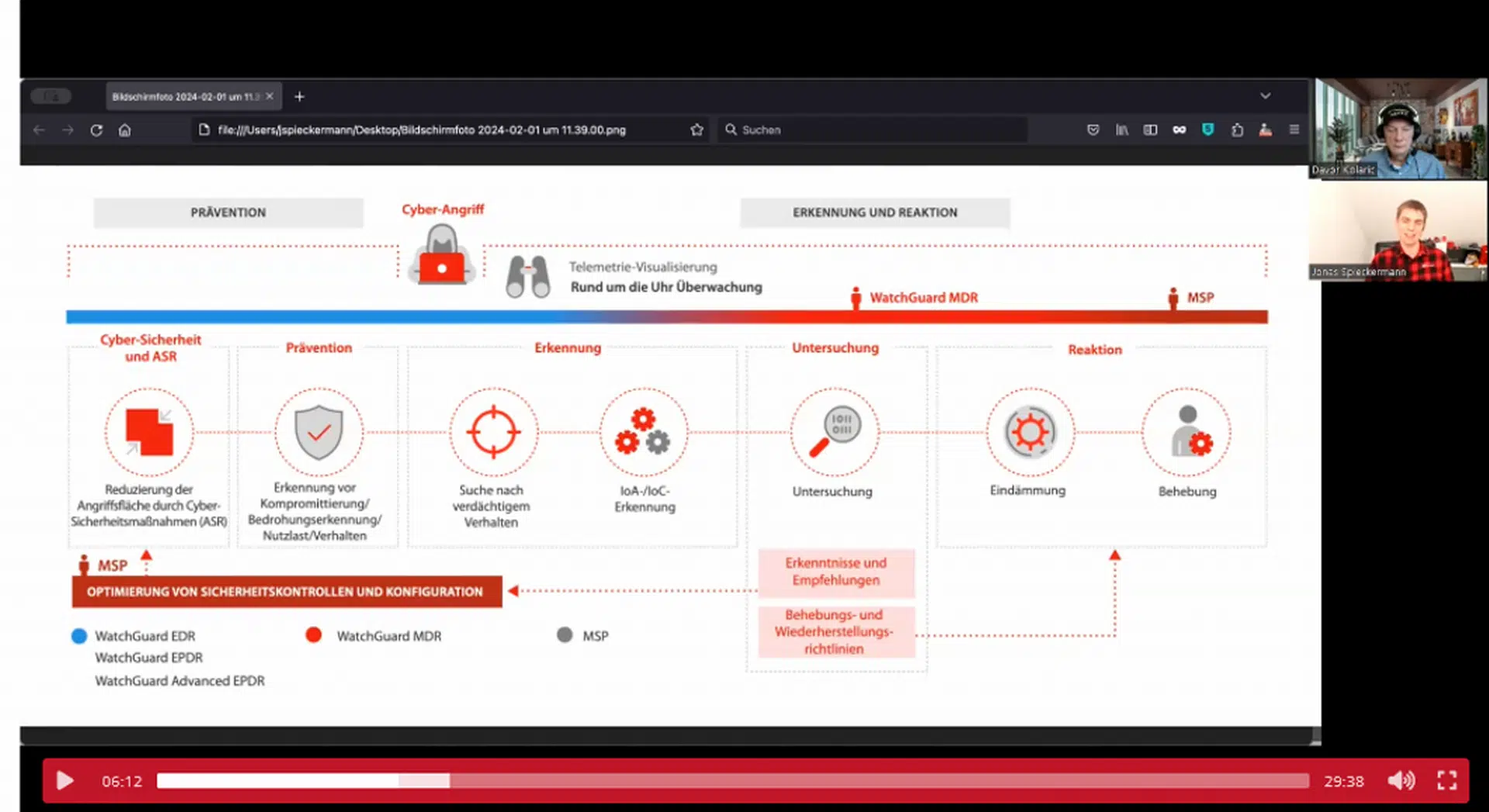
WatchGuard Managed Detection & Response – Erkennung und Reaktion rund um die Uhr ohne Mehraufwand