

Today, we’re sharing the latest activity we’ve observed from the Russian nation-state actor Nobelium. This is the same actor behind the cyberattacks targeting SolarWinds customers in 2020 and which the U.S. government and others have identified as being part of Russia’s foreign intelligence service known as the SVR.
Nobelium has been attempting to replicate the approach it has used in past attacks by targeting organizations integral to the global IT supply chain. This time, it is attacking a different part of the supply chain: resellers and other technology service providers that customize, deploy and manage cloud services and other technologies on behalf of their customers. We believe Nobelium ultimately hopes to piggyback on any direct access that resellers may have to their customers’ IT systems and more easily impersonate an organization’s trusted technology partner to gain access to their downstream customers. We began observing this latest campaign in May 2021 and have been notifying impacted partners and customers while also developing new technical assistance and guidance for the reseller community. Since May, we have notified more than 140 resellers and technology service providers that have been targeted by Nobelium. We continue to investigate, but to date we believe as many as 14 of these resellers and service providers have been compromised. Fortunately, we have discovered this campaign during its early stages, and we are sharing these developments to help cloud service resellers, technology providers, and their customers take timely steps to help ensure Nobelium is not more successful.
Quelle: Microsoft Blog
https://blogs.microsoft.com/on-the-issues/2021/10/24/new-activity-from-russian-actor-nobelium
Fachartikel


Studien

Drei Viertel aller DACH-Unternehmen haben jetzt CISOs – nur wird diese Rolle oft noch missverstanden

AI-Security-Report 2024 verdeutlicht: Deutsche Unternehmen sind mit Cybersecurity-Markt überfordert

Cloud-Transformation & GRC: Die Wolkendecke wird zur Superzelle

Threat Report: Anstieg der Ransomware-Vorfälle durch ERP-Kompromittierung um 400 %

Studie zu PKI und Post-Quanten-Kryptographie verdeutlicht wachsenden Bedarf an digitalem Vertrauen bei DACH-Organisationen
Whitepaper



Unter4Ohren

Datenklassifizierung: Sicherheit, Konformität und Kontrolle

Die Rolle der KI in der IT-Sicherheit

CrowdStrike Global Threat Report 2024 – Einblicke in die aktuelle Bedrohungslandschaft
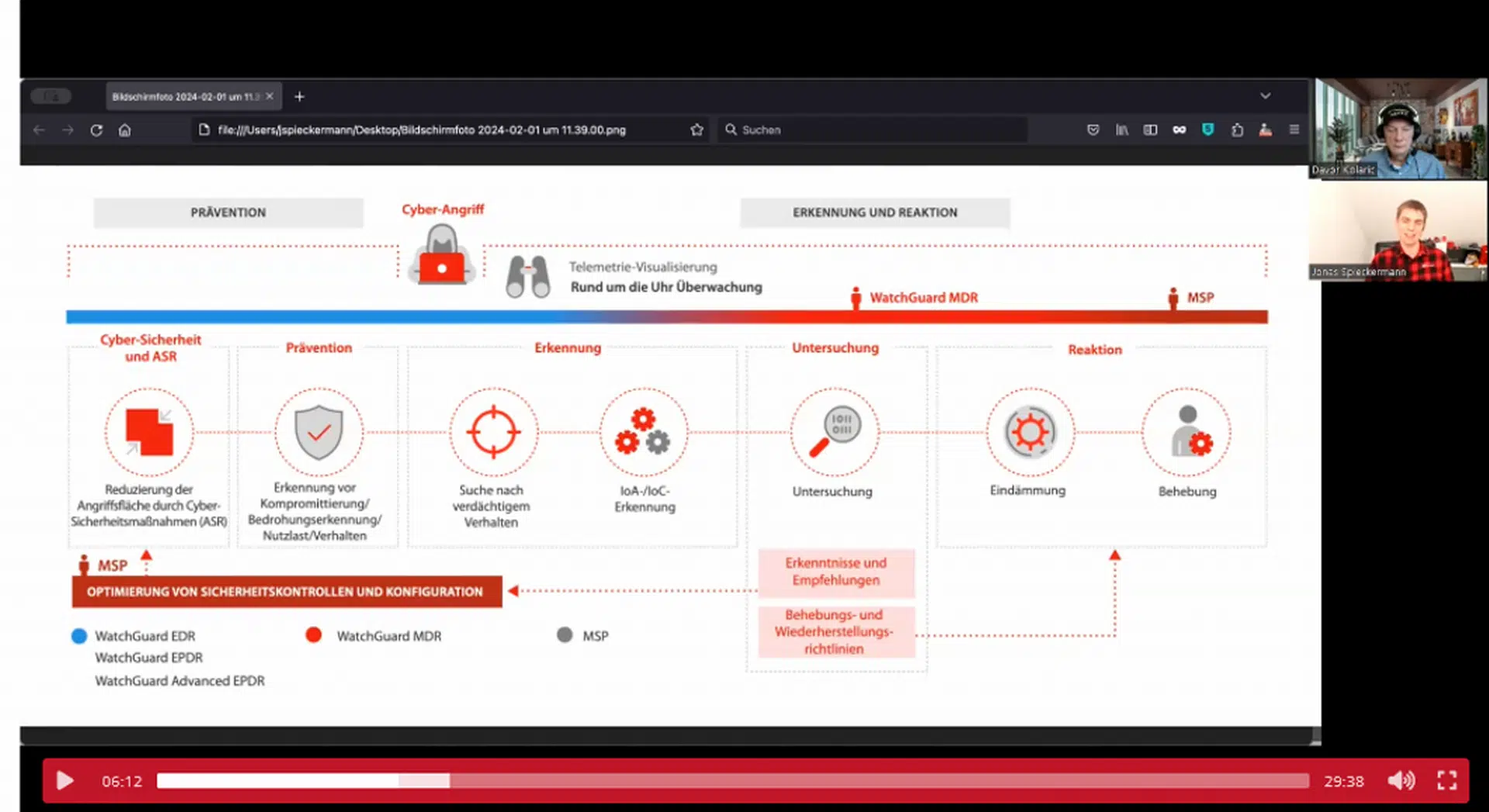
WatchGuard Managed Detection & Response – Erkennung und Reaktion rund um die Uhr ohne Mehraufwand