

New free service and open source tool quickly determines potential indicators of compromise and vulnerable systems, helping all SAP customers to mitigate risk and protect mission-critical applications
Onapsis today announced the release of INSTANT RECON, a free online service and downloadable open source scanning tool to quickly help organizations assess if their SAP applications are exposed and detect suspicious activity related to exploitation of the RECON vulnerability (CVE-2020-6287). The INSTANT RECON service is available for immediate use online or for download as an open source tool from the company’s GitHub repository to scan SAP systems and logs for potential indicators of compromise (IoC) and assess if systems may be vulnerable.
On July 14, 2020, Onapsis announced that the Onapsis Research Labs and the SAP Security Response Team worked together to mitigate a serious vulnerability, named RECON, which affects more than 40,000 SAP customers, with increased exposure for internet-facing systems. In conjunction, SAP released an official patch (SAP HotNews patch #2934135) and the U.S. Department of Homeland Security’s (DHS) Cybersecurity & Infrastructure Security Agency (CISA) issued Activity Alert AA20-195A. The RECON vulnerability is classified as critical in severity with a CVSS score of 10 out of 10. A successful exploit could allow an authenticated attacker to gain remote access to any vulnerable SAP system impacting the confidentiality, integrity and availability of mission-critical SAP applications, including SAP ERP, SAP SCM, SAP CRM, SAP PI, SAP Enterprise Portal, SAP Solution Manager and many more.
“In just a matter of days since the release of the RECON patch, we have seen an unprecedented volume of threat activity and speed of weaponization targeting RECON,” said Mariano Nunez, CEO of Onapsis. “This includes mass scanning for vulnerable internet-exposed SAP systems, the release of proof-of-concept and functional exploit code and individuals selling private RECON exploits on the dark web. This increasing activity is putting thousands of organizations and their most mission-critical applications at immediate risk. While The Onapsis Platform customers are already protected, this threat activity compelled the Onapsis research and development team to work around the clock and develop this open source tool to enable all SAP organizations to quickly understand their risk posture and evaluate if they may have been compromised, so they can take the appropriate remediation actions.”
The Onapsis INSTANT RECON free service and open source tool allows SAP customers to scan systems online by analyzing SAP logs and checking internet-facing systems for the RECON vulnerability. It also provides the option to run the tool locally for scanning all SAP systems across their internal networks. Besides applying the official SAP patches, Onapsis strongly recommends that all SAP customers run this service or tool immediately to determine the potential threat exposure and vulnerable systems that must be secured, in order to keep SAP systems and business processes protected and in compliance with important regulatory mandates.
Free access or download the INSTANT RECON service and tool here:
Additional Onapsis Cybersecurity and Compliance Solutions and Services for SAP
In addition to the RECON vulnerability, the Onapsis cybersecurity and compliance solution for SAP, The Onapsis Platform, provides automated assessments of SAP systems for hundreds of critical vulnerabilities and misconfigurations and continuously monitors for internal and external threats. To check for additional SAP vulnerabilities, organizations can request a complimentary Cyber Risk Assessment from Onapsis today.
Firma zum Thema

Fachartikel


Studien

Drei Viertel aller DACH-Unternehmen haben jetzt CISOs – nur wird diese Rolle oft noch missverstanden

AI-Security-Report 2024 verdeutlicht: Deutsche Unternehmen sind mit Cybersecurity-Markt überfordert

Cloud-Transformation & GRC: Die Wolkendecke wird zur Superzelle

Threat Report: Anstieg der Ransomware-Vorfälle durch ERP-Kompromittierung um 400 %

Studie zu PKI und Post-Quanten-Kryptographie verdeutlicht wachsenden Bedarf an digitalem Vertrauen bei DACH-Organisationen
Whitepaper



Unter4Ohren

Datenklassifizierung: Sicherheit, Konformität und Kontrolle

Die Rolle der KI in der IT-Sicherheit

CrowdStrike Global Threat Report 2024 – Einblicke in die aktuelle Bedrohungslandschaft
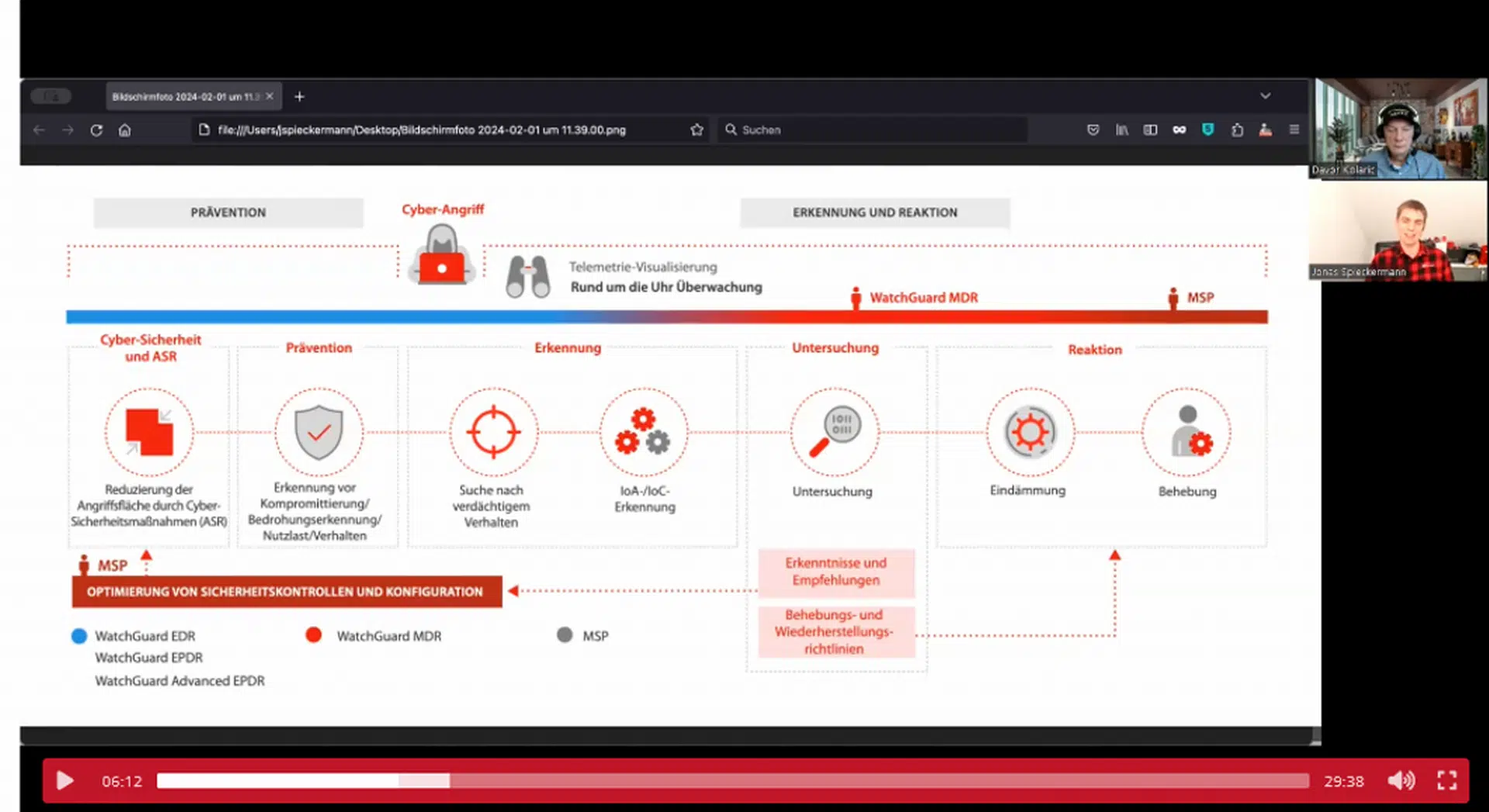
WatchGuard Managed Detection & Response – Erkennung und Reaktion rund um die Uhr ohne Mehraufwand