


7. Juni 2021
As part of an effort to encourage a common language in threat actor analysis, CISA has released Best Practices for MITRE ATT&CK Mapping. The guide shows analysts—through instructions and examples—how to map adversary behavior to the MITRE ATT&CK framework. CISA created this guide in partnership with the Homeland Security Systems Engineering and Development Institute (HSSEDI), a DHS-owned R&D center operated by MITRE, which worked with the MITRE ATT&CK team.
CISA and other organizations in the cybersecurity community use MITRE ATT&CK to identify and analyze threat actor behavior. This analysis enables them to produce a set of mappings to develop adversary profiles; conduct activity trend analyses; and detect, respond to, and mitigate threats. An increase in the number of organizations integrating the ATT&CK framework in their analysis will have a positive impact on the efficiency and efficacy of information sharing within the community.
CISA, HSSEDI, and MITRE ATT&CK encourage users and administrators to review both the guide—as well as CISA Executive Assistant Director Eric Goldstein’s blog post on the guide—to strengthen the security posture of their organization and improve information sharing.

Fachartikel

KI im SAP-Custom-Code: Sicherheitsrisiken erkennen und gezielt absichern

Zero-Day-Exploits 2025: 90 Schwachstellen, mehr Unternehmensziele, KI als neuer Faktor

Brainworm: Wenn KI-Agenten durch natürliche Sprache zur Waffe werden

Mozilla und Anthropic: Gemeinsame KI-Analyse macht Firefox sicherer

RC4-Deaktivierung – so müssen Sie jetzt handeln
Studien
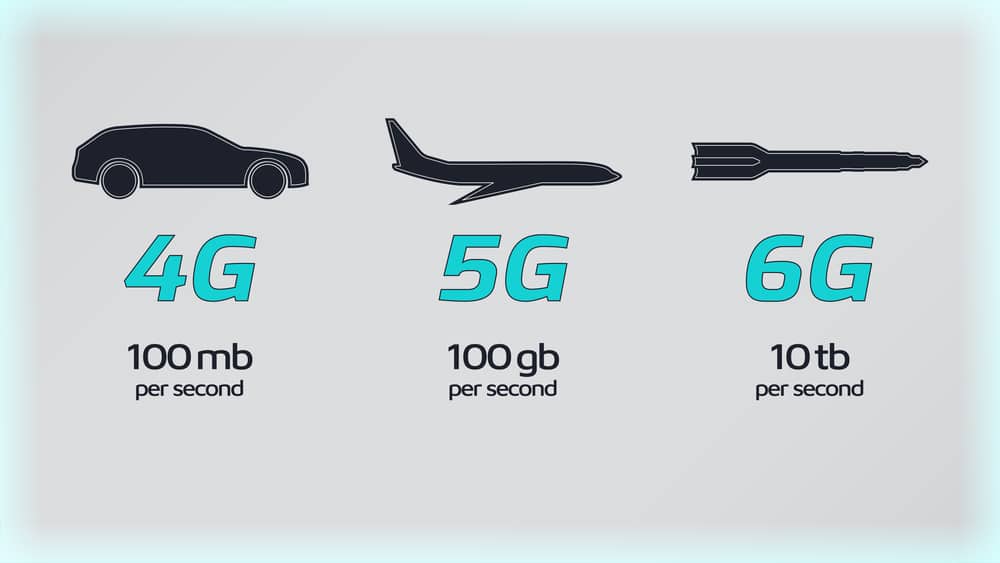
Sieben Regierungen einigen sich auf 6G-Sicherheitsrahmen

Lieferkettenkollaps und Internetausfall: Unternehmen rechnen mit dem Unwahrscheinlichen

KI als Werkzeug für schnelle, kostengünstige Cyberangriffe

KI beschleunigt Cyberangriffe: IBM X-Force warnt vor wachsenden Schwachstellen in Unternehmen

Finanzsektor unterschätzt Cyber-Risiken: Studie offenbart strukturelle Defizite in der IT-Sicherheit
Whitepaper

Cloudflare Threat Report 2026: Ransomware beginnt mit dem Login – KI und Botnetze treiben die Industrialisierung von Cyberangriffen

EBA-Folgebericht: Fortschritte bei IKT-Risikoaufsicht unter DORA – weitere Harmonisierung nötig

Böswillige KI-Nutzung erkennen und verhindern: Anthropics neuer Bedrohungsbericht mit Fallstudien

Third Party Risk Management – auch das Procurement benötigt technische Unterstützung

EU-Toolbox für IKT-Lieferkettensicherheit: Gemeinsamer Rahmen zur Risikominderung
Hamsterrad-Rebell

Sicherer Remote-Zugriff (SRA) für Operational Technology (OT) und industrielle Steuerungs- und Produktionssysteme (ICS) – Teil 2

Incident Response Retainer – worauf sollte man achten?

KI‑basierte E‑Mail‑Angriffe: Einfach gestartet, kaum zu stoppen

NIS2: „Zum Glück gezwungen“ – mit OKR-basiertem Vorgehen zum nachhaltigen Erfolg