


28. April 2021
The National Cybersecurity Center of Excellence (NCCoE) released the final version of the NIST Cybersecurity White Paper titled Getting Ready for Post-Quantum Cryptography: Exploring Challenges Associated with Adopting and Using Post-Quantum Cryptographic Algorithms.
What’s this paper about?
Cryptographic technologies are used throughout government and industry to authenticate the source and protect the confidentiality and integrity of information that we communicate and store. From time to time, it is necessary to replace a cryptographic algorithm because of new weaknesses or threats. Progress in the development of quantum computing foreshadows a particularly disruptive cryptographic transition.
Practical quantum computing will break the security of nearly all modern public-key cryptographic systems. New post-quantum cryptographic algorithms which are resistant to quantum computer-based attacks will need to be implemented, but introducing new algorithms requires updates to protocols, schemes, and infrastructures that could take decades to complete.
This paper introduces challenges associated with adopting and using post-quantum cryptography once new algorithms and new standards using them are ready. The paper also discusses the planning for migration to post-quantum cryptography, then concludes with NIST’s next steps for helping with the migration.
https://nvlpubs.nist.gov/nistpubs/CSWP/NIST.CSWP.04282021.pdf

Fachartikel

RC4-Deaktivierung – so müssen Sie jetzt handeln

Plattform-Engineering im Wandel: Was KI-Agenten wirklich verändern

KI-Agenten im Visier: Wie versteckte Web-Befehle autonome Systeme manipulieren

Island und AWS Security Hub: Kontrollierte KI-Nutzung und sicheres Surfen im Unternehmensumfeld

Wie das iOS-Exploit-Kit Coruna zum Werkzeug staatlicher und krimineller Akteure wurde
Studien
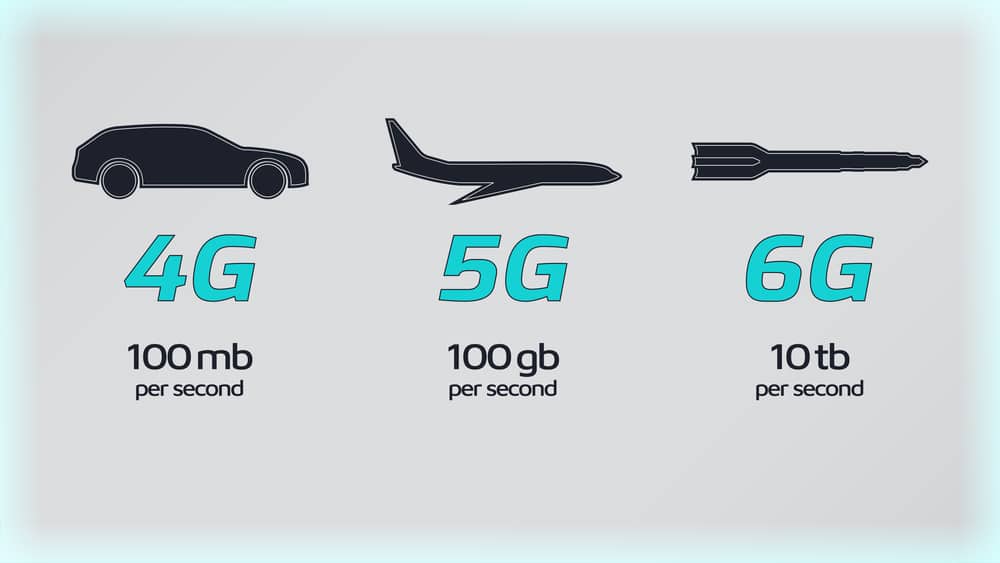
Sieben Regierungen einigen sich auf 6G-Sicherheitsrahmen

Lieferkettenkollaps und Internetausfall: Unternehmen rechnen mit dem Unwahrscheinlichen

KI als Werkzeug für schnelle, kostengünstige Cyberangriffe

KI beschleunigt Cyberangriffe: IBM X-Force warnt vor wachsenden Schwachstellen in Unternehmen

Finanzsektor unterschätzt Cyber-Risiken: Studie offenbart strukturelle Defizite in der IT-Sicherheit
Whitepaper

Cloudflare Threat Report 2026: Ransomware beginnt mit dem Login – KI und Botnetze treiben die Industrialisierung von Cyberangriffen

EBA-Folgebericht: Fortschritte bei IKT-Risikoaufsicht unter DORA – weitere Harmonisierung nötig

Böswillige KI-Nutzung erkennen und verhindern: Anthropics neuer Bedrohungsbericht mit Fallstudien

Third Party Risk Management – auch das Procurement benötigt technische Unterstützung

EU-Toolbox für IKT-Lieferkettensicherheit: Gemeinsamer Rahmen zur Risikominderung
Hamsterrad-Rebell

Sicherer Remote-Zugriff (SRA) für Operational Technology (OT) und industrielle Steuerungs- und Produktionssysteme (ICS) – Teil 2

Incident Response Retainer – worauf sollte man achten?

KI‑basierte E‑Mail‑Angriffe: Einfach gestartet, kaum zu stoppen

NIS2: „Zum Glück gezwungen“ – mit OKR-basiertem Vorgehen zum nachhaltigen Erfolg