


14. Juni 2022
XaaS Will Emerge as New Area of Investments as Governments Scale Digital Transformation Initiatives
Worldwide government IT spending is forecast to total $565.7 billion in 2022, an increase of 5% from 2021, according to Gartner, Inc.
“The last few years of enduring pandemic challenges have mobilized a wave of digital transformation activities in government organisations across the world,” said Daniel Snyder, director analyst at Gartner. “Governments are executing innovative activities by harnessing technology to streamline digital services, advance automation processes and evolve citizen experiences.”
In 2022, government IT spending is forecast to increase across all segments except internal services and telecom services. Continuing the trend from 2021, software is forecast to record the strongest growth across all segments in 2022. As legacy modernisation continues to be a priority in government organisations, growth in the data centre systems segment will continue to slow though the forecast period (see Table 1).
Table 1. Worldwide Government IT Spending, 2021-2022 (Millions of US Dollars)
| 2021 Spending | 2021 Growth (%) | 2022 Spending | 2022 Growth (%) | 2023 Spending | 2023 Growth (%) | |
| Data Centre Systems | 25,085 | 7.3 | 26,137 | 4.2 | 26,642 | 1.9 |
| Devices | 37,484 | 13.0 | 37,823 | 0.9 | 37,389 | -1.1 |
| Internal Services | 68,241 | -2.1 | 68,188 | -0.1 | 70,767 | 3.8 |
| IT Services | 191,841 | 10.7 | 204,206 | 6.5 | 220,997 | 8.2 |
| Software | 146,952 | 16.9 | 162,278 | 10.4 | 183,012 | 12.8 |
| Telecom Services | 69,190 | 1.1 | 67,102 | -3.0 | 67,193 | 0.1 |
| Total | 538,793 | 9.1 | 565,734 | 5.0 | 606,000 | 100.0 |
Source: Gartner (June 2022)
Table 2. Germany Government IT Spending, 2021-2022 (Millions of US Dollars)
| 2021 Spending | 2021 Growth (%) | 2022 Spending | 2022 Growth (%) | 2023 Spending | 2023 Growth (%) | |
| Data Centre Systems | 1,233 | 4.1 | 1,244 | 0.8 | 1,218 | -2.1 |
| Devices | 1,285 | 12.0 | 1,189 | -7.5 | 1,126 | -5.4 |
| Internal Services | 3,604 | -1.6 | 3,471 | -3.7 | 3,601 | 3.7 |
| IT Services | 10,130 | 12.1 | 10,373 | 2.4 | 11,284 | 8.8 |
| Software | 7,883 | 18.9 | 8,410 | 6.7 | 9,484 | 12.8 |
| Telecom Services | 3,813 | 3.3 | 3,614 | -5.2 | 3,748 | 0.4 |
| Total | 27,948 | 10.3 | 28,300 | 1.3 | 30,339 | 7.2 |
Source: Gartner (June 2022)
Governments continue to invest in critical application software that directly support end user interfaces driving strong growth in this segment. Spending on telecom services is set to decrease in 2022 as governments reduce spending on expensive legacy systems in favour of digital service delivery models.
Anything-as-a-Service Model Emerges as Pay-As-You-Use Gains Momentum
Anything-as-a-Service (XaaS) is gaining popularity across government organisations as it provides better return on investment normalising IT spend over time making budgeting for IT more predictable, while avoiding the accrual of technical debt. Gartner predicts that by 2026, most government agencies’ new IT investments will be made in XaaS solutions.
“The pandemic sped up public-sector adoption of cloud solutions and the XaaS model for accelerated legacy modernisation and new service implementations,” said Snyder. “Fifty-four per cent of government CIOs responding to the 2022 Gartner CIO Survey indicated that they expect to allocate additional funding to cloud platforms in 2022, while 35% will decrease investments in legacy infrastructure and data centre technologies.”
With the ongoing talent challenges facing organisations, XaaS makes it easier for government organisations to find the right talent via XaaS operating models. XaaS delivery models require different internal IT skill sets and place less demand on the organisation to develop or acquire emerging IT skills, which are often hard to find and difficult for governments to afford.
Gartner clients can read more in “Forecast: Enterprise IT Spending for the Government and Education Markets, Worldwide, 2020-2026, 1Q22 Update.”
Learn more about key government technology trends in the complimentary Gartner ebook Top Technology Trends in Government for 2022.

Fachartikel

Keepit KI-Integration: Warum Backup-Systeme andere KI-Regeln brauchen

Phishing über LiveChat: Wie Angreifer SaaS-Plattformen für Datendiebstahl nutzen

XWorm 7.1 und Remcos RAT: Angreifer setzen auf dateilose Techniken und Windows-Bordmittel

KI im Cyberkonflikt: Warum Verteidiger die Nase vorn haben
KadNap: Wie ein neues Botnetz tausende Asus-Router als Proxy-Knoten missbraucht
Studien
Drucksicherheit bleibt in vielen KMU ein vernachlässigter Bereich
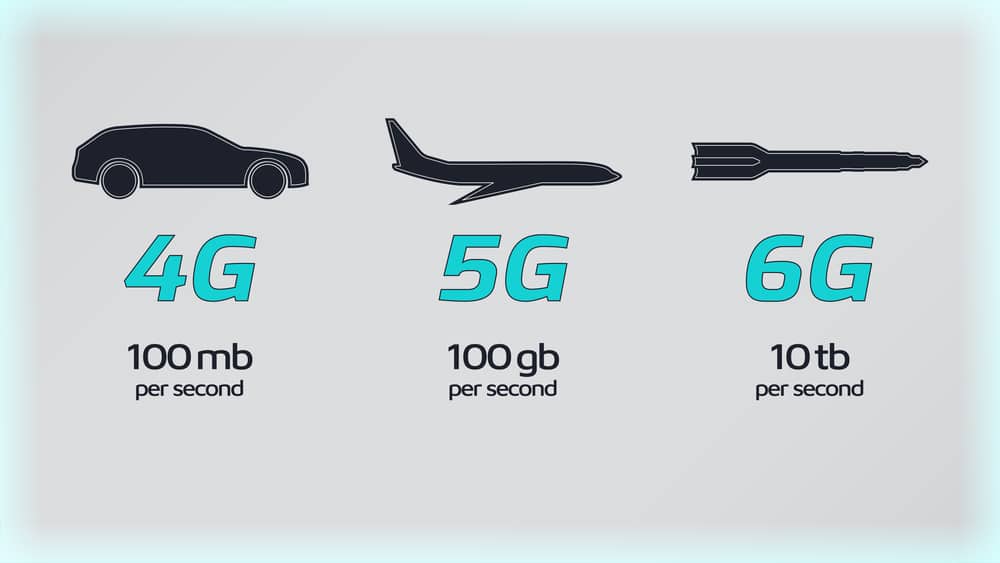
Sieben Regierungen einigen sich auf 6G-Sicherheitsrahmen

Lieferkettenkollaps und Internetausfall: Unternehmen rechnen mit dem Unwahrscheinlichen

KI als Werkzeug für schnelle, kostengünstige Cyberangriffe

KI beschleunigt Cyberangriffe: IBM X-Force warnt vor wachsenden Schwachstellen in Unternehmen
Whitepaper

Cloudflare Threat Report 2026: Ransomware beginnt mit dem Login – KI und Botnetze treiben die Industrialisierung von Cyberangriffen

EBA-Folgebericht: Fortschritte bei IKT-Risikoaufsicht unter DORA – weitere Harmonisierung nötig

Böswillige KI-Nutzung erkennen und verhindern: Anthropics neuer Bedrohungsbericht mit Fallstudien

Third Party Risk Management – auch das Procurement benötigt technische Unterstützung

EU-Toolbox für IKT-Lieferkettensicherheit: Gemeinsamer Rahmen zur Risikominderung
Hamsterrad-Rebell

Sichere Enterprise Browser und Application Delivery für moderne IT-Organisationen

Sicherer Remote-Zugriff (SRA) für Operational Technology (OT) und industrielle Steuerungs- und Produktionssysteme (ICS) – Teil 2

Incident Response Retainer – worauf sollte man achten?

KI‑basierte E‑Mail‑Angriffe: Einfach gestartet, kaum zu stoppen