

ETSI recently released a Group Report, ETSI GR SAI 006, outlining the role of hardware in the security of artificial intelligence (AI).
AI hardware provides the platform that supports and accelerates AI-related operations. Aside from general security requirements, the hardware used in artificial intelligence and machine learning (AI/ML) applications features additional security requirements to protect hardware in AI/ML specific use cases, including those in which AI/ML is used to attack generic, or specific, computing, storage, and communication hardware.
ETSI GR SAI 006, ETSI’s newly published report, gives an overview of the roles of general-purpose and specialized hardware, such as neural processors and neural networks, in enabling the security of AI. The report identifies hardware vulnerabilities and common weaknesses in AI systems and outlines the mitigations available in hardware to prevent attacks, as well as the general requirements on hardware to support the security of AI (SAI).
„AI is expected to revolutionize our wireless ecosystems, and the increased integration of AI throughout our technologies and solutions makes AI security all the more important,” says Alec Brusilovsky, the ETSI SAI Industry Specification Group Rapporteur. “It’s been suggested that the best way to safeguard AI is to constantly improve its security. The research featured throughout the ETSI GR SAI 006 report reveals that our coveted level of security depends on and stems from hardware security for AI“.
The report also reviews possible strategies to encourage the use of AI in the protection of hardware and provides a summary of academic and industrial experience in hardware security for AI.
Download the full Report HERE
Fachartikel


Studien

Drei Viertel aller DACH-Unternehmen haben jetzt CISOs – nur wird diese Rolle oft noch missverstanden

AI-Security-Report 2024 verdeutlicht: Deutsche Unternehmen sind mit Cybersecurity-Markt überfordert

Cloud-Transformation & GRC: Die Wolkendecke wird zur Superzelle

Threat Report: Anstieg der Ransomware-Vorfälle durch ERP-Kompromittierung um 400 %

Studie zu PKI und Post-Quanten-Kryptographie verdeutlicht wachsenden Bedarf an digitalem Vertrauen bei DACH-Organisationen
Whitepaper



Unter4Ohren

Datenklassifizierung: Sicherheit, Konformität und Kontrolle

Die Rolle der KI in der IT-Sicherheit

CrowdStrike Global Threat Report 2024 – Einblicke in die aktuelle Bedrohungslandschaft
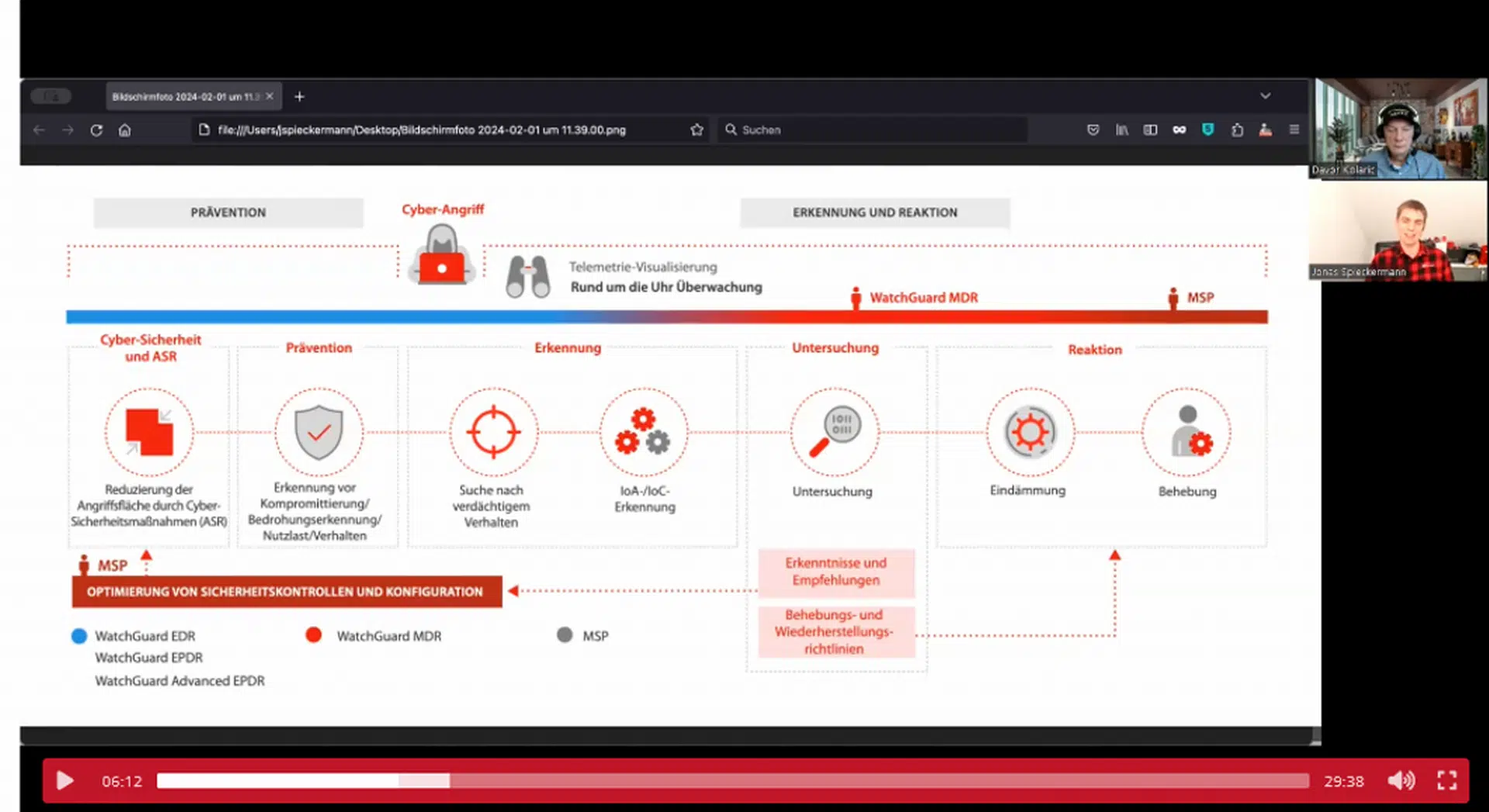
WatchGuard Managed Detection & Response – Erkennung und Reaktion rund um die Uhr ohne Mehraufwand